
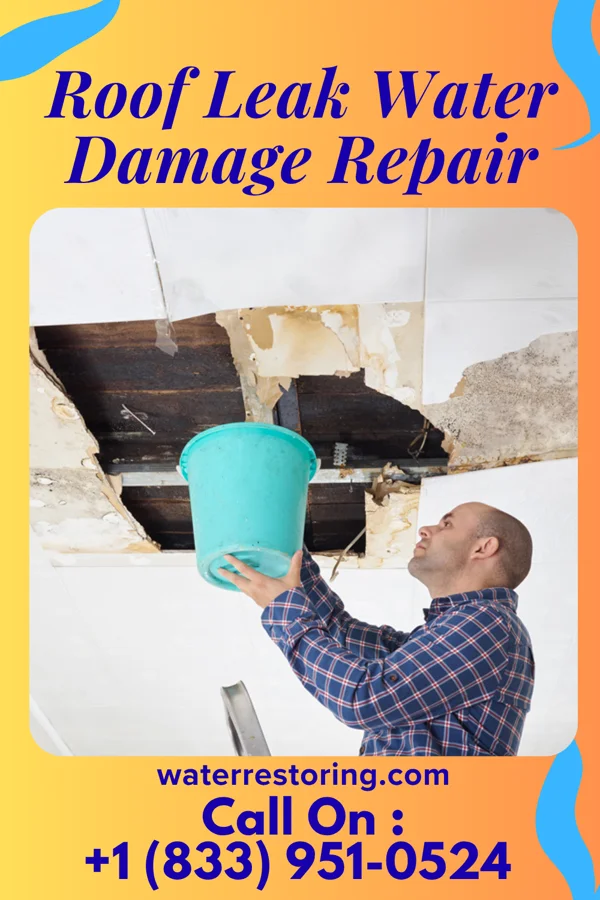
Active Roof Leak Containment in Craig
Most water damage emergencies in Craig start with Craig, Iowa experiences frequent thunderstorms and heavy rainfall, particularly during the spring and summer months, which can lead to sudden roof leaks and water damage. The region's flat terrain and occasional high winds can also contribute to roof damage from falling debris or strong gusts.. A close second is In the late fall and early winter, Craig sees a shift to freezing temperatures and snowfall, which can cause ice dams to form on roofs, leading to water infiltration and structural damage. Sudden temperature changes can also cause roofing materials to expand and contract, creating gaps and leaks.. From the second water touches the property, every minute changes what gets saved and what gets ripped out.
Craig's climate, characterized by hot summers and cold winters, puts roofs under constant stress. The combination of extreme temperature fluctuations, frequent precipitation, and occasional high winds can lead to a variety of roofing issues, including shingle curling, flashing failure, and gutter clogging.
Craig's climate, characterized by hot summers and cold winters, puts roofs under constant stress. The combination of extreme temperature fluctuations, frequent precipitation, and occasional high winds can lead to a variety of roofing issues, including shingle curling, flashing failure, and gutter clogging. The dominant local driver is Craig, Iowa experiences frequent thunderstorms and heavy rainfall, particularly during the spring and summer months, which can lead to sudden roof leaks and water damage. The region's flat terrain and occasional high winds can also contribute to roof damage from falling debris or strong gusts., with In the late fall and early winter, Craig sees a shift to freezing temperatures and snowfall, which can cause ice dams to form on roofs, leading to water infiltration and structural damage. Sudden temperature changes can also cause roofing materials to expand and contract, creating gaps and leaks. showing up as the next most common cause. Damage builds in stages. Spread. Absorption. Microbial growth. Structural compromise. Every stage you pass through adds to the final bill.
For public guidance on the health effects of mold after prolonged water exposure, see the EPA mold and health page.